Spondylosis: Causes, Symptoms & Homeopathic Care
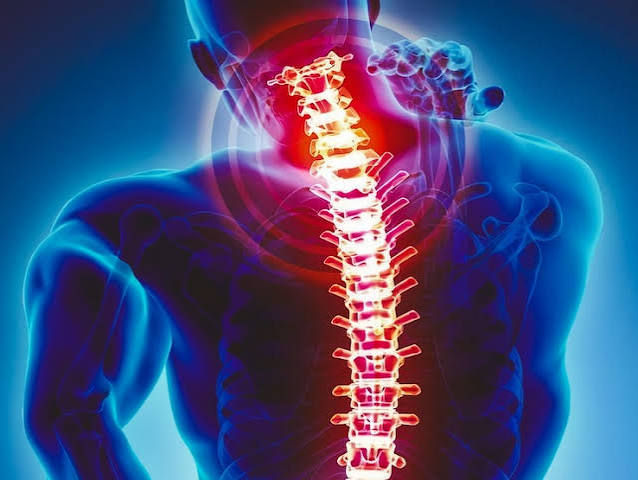
Spondylosis is a term commonly used to describe degenerative changes in the spine. These changes may affect the bones, discs, joints, and other structures of the spinal column. Spondylosis can occur in different parts of the spine, including the neck (cervical spine), upper or middle back (thoracic spine), and lower back (lumbar spine).
Many people may have spinal changes without experiencing any symptoms. In others, spondylosis may be associated with pain, stiffness, reduced movement, or symptoms caused by irritation or compression of nearby nerves.
What Causes Spondylosis?
Spondylosis is generally associated with gradual wear and degenerative changes in the structures of the spine. These changes can develop over time as the spinal discs and joints undergo normal aging-related changes.
Common factors associated with an increased risk of spondylosis include:
- Increasing age
- Long-term wear and tear of the spinal structures
- Repeated strain on the spine
- Prolonged sitting or maintaining poor posture
- Occupations involving repetitive physical activity
- Previous injuries to the spine
- Lack of regular physical activity
- Excess body weight and associated mechanical stress
- Genetic or individual factors affecting spinal health
The severity and location of spinal changes can vary from person to person. A healthcare professional may recommend a physical examination and, when appropriate, imaging such as X-rays or other investigations to understand the condition.
Common Symptoms of Spondylosis
Some people with spondylosis do not experience noticeable symptoms. When symptoms occur, they may depend on the part of the spine affected and whether nearby nerves are involved.
Common symptoms may include:
- Neck pain or lower back pain
- Stiffness in the neck or back
- Pain that may become worse after prolonged activity or certain movements
- Reduced flexibility or range of movement
- Headache associated with neck problems in some individuals
- Pain spreading from the neck toward the shoulder or arm
- Pain spreading from the lower back toward the buttock or leg
- Numbness or tingling in an arm, hand, leg, or foot when nerves are affected
- Muscle weakness when significant nerve compression occurs
Symptoms vary considerably between individuals. Spinal changes seen on an imaging test do not always correspond directly with the severity of a person's symptoms.
Risk Factors for Spondylosis
Certain factors may increase the likelihood of developing degenerative changes in the spine or experiencing related symptoms.
- Age-related changes in the spine
- Family history of spinal problems
- Previous spinal injury
- Long periods of sitting or inactivity
- Repetitive lifting or physical strain
- Poor posture maintained for long periods
- Excess body weight
- Limited regular physical activity
Having one or more of these factors does not necessarily mean that a person will develop significant symptoms. Individual assessment is important when persistent pain or neurological symptoms are present.
How Can Spondylosis Be Managed and Prevented?
Age-related spinal changes cannot always be prevented, but maintaining healthy habits may help support spinal function and reduce factors that can contribute to discomfort.
- Maintain regular, appropriate physical activity.
- Avoid remaining in the same sitting or standing position for very long periods.
- Maintain good posture while sitting, standing, and working.
- Use an ergonomically suitable workstation when working for long periods.
- Maintain a healthy body weight.
- Use proper techniques when lifting or carrying objects.
- Follow exercises recommended by a qualified healthcare professional or physiotherapist when appropriate.
- Allow adequate recovery after activities that place strain on the spine.
People with persistent or recurring symptoms may benefit from professional assessment to identify appropriate exercises, lifestyle modifications, and other treatment options.
Homeopathic Care for Spondylosis
In homeopathy, the approach is generally individualized according to the person's symptoms, overall health, and specific pattern of complaints.
During a consultation, the homeopathic practitioner may consider details such as the location and nature of pain, stiffness, factors that worsen or relieve symptoms, associated complaints, sleep, lifestyle, and other individual characteristics.
Homeopathic care may be considered as part of an individualized approach to symptom management. However, there is limited high-quality scientific evidence that homeopathy can reverse degenerative structural changes of the spine.
Appropriate medical evaluation remains important, particularly when pain is persistent, symptoms are worsening, or there are signs suggesting nerve involvement. Depending on the symptoms, a healthcare professional may recommend physical examination, imaging, physiotherapy, medicines, or other appropriate treatment.
Homeopathic care should not be used as a substitute for necessary medical treatment, especially when significant neurological symptoms or other complications are present.
When Should You Consult a Doctor?
You should seek medical evaluation if you experience persistent neck or back pain, increasing stiffness, recurring symptoms, pain spreading into an arm or leg, numbness, tingling, or weakness.
Seek urgent medical attention if back or neck symptoms are accompanied by significant or rapidly worsening weakness, difficulty walking, loss of bladder or bowel control, numbness around the genital or inner-thigh area, severe symptoms after a major injury, or other concerning symptoms.
Conclusion
Spondylosis refers to degenerative changes that can develop in different parts of the spine, particularly with increasing age. Some people may have these changes without symptoms, while others may experience pain, stiffness, reduced movement, or nerve-related symptoms.
Regular physical activity, appropriate posture, maintaining a healthy body weight, and avoiding prolonged strain on the spine can support overall spinal health. Persistent or neurological symptoms should be properly evaluated to understand their cause and determine appropriate care.
If you are experiencing symptoms suggestive of spondylosis, consult a qualified healthcare professional for appropriate evaluation and individualized guidance.