Skin Diseases: Psoriasis, Eczema, Urticaria, Vitiligo & Fungal Infection
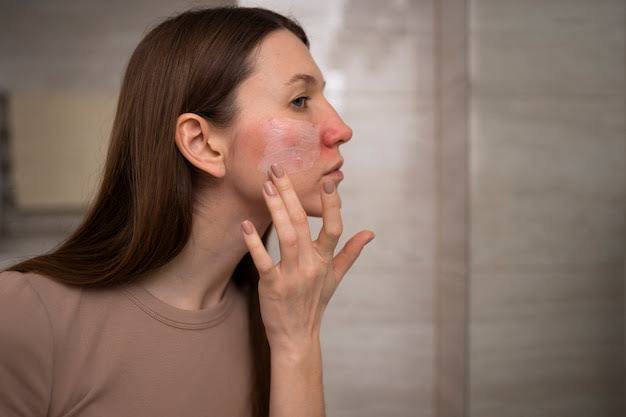
Skin diseases are common conditions that can affect people of different ages. They may cause changes in the appearance, texture, colour, or sensation of the skin and can range from temporary problems to long-term conditions requiring ongoing care.
Psoriasis, eczema, urticaria, vitiligo and fungal infections are different conditions and may have different causes, symptoms, triggers and treatment approaches. Identifying the correct condition is important for appropriate management.
What Are Skin Diseases?
Skin diseases include a wide range of conditions that affect the skin, hair, nails, or related tissues. Some conditions are related to inflammation or immune-system activity, while others may be caused by infections, allergies, environmental factors, or changes in pigmentation.
The appearance of one skin condition can sometimes resemble another. For this reason, persistent, spreading, or unusual skin changes should be evaluated by a qualified healthcare professional.
Common Skin Diseases
Some commonly encountered skin conditions include:
- Psoriasis: A chronic inflammatory skin condition that may cause red, raised, and scaly patches.
- Eczema: A group of conditions that can cause dry, itchy, inflamed, or irritated skin.
- Urticaria: Also known as hives, it can cause raised, itchy welts on the skin that may appear suddenly.
- Vitiligo: A condition in which areas of the skin lose pigment, resulting in lighter or white patches.
- Fungal Infection: An infection caused by fungi that may affect the skin, scalp, nails, or other body areas.
What Causes Skin Diseases?
The causes of skin conditions vary considerably depending on the specific disease. Some conditions may involve the immune system, while others may be associated with infections, allergies, genetics, or environmental exposure.
Common factors associated with different skin conditions may include:
- Genetic or family history
- Immune-system and inflammatory factors
- Allergic reactions and sensitivity to certain substances
- Exposure to irritants or chemicals
- Stress and certain lifestyle factors
- Excessive sweating or moisture
- Contact with infectious organisms
- Changes in the skin barrier
- Environmental and climatic factors
- Certain medications or underlying medical conditions
The exact cause cannot always be determined from symptoms alone. A proper clinical examination may be required to distinguish between different skin conditions.
Common Symptoms of Skin Diseases
Symptoms can differ depending on the type of skin condition. Common signs may include:
- Redness or inflammation of the skin
- Itching or irritation
- Dry or flaky skin
- Scaling or thickened skin
- Raised patches or welts
- Changes in skin colour or pigmentation
- Small bumps or skin lesions
- Cracking or peeling of the skin
- Blisters or fluid-filled areas
- Burning or discomfort
- Skin changes that spread to other areas
Some skin conditions may have symptoms that come and go, while others may persist for a longer period. The pattern and appearance of the skin changes can provide important information during medical evaluation.
Psoriasis
Psoriasis is a chronic inflammatory condition in which the immune system contributes to an increased rate of skin-cell production. This can result in areas of red, raised, and scaly skin.
Psoriasis commonly affects areas such as the elbows, knees, scalp, and lower back, although it can occur on other parts of the body as well.
Some people may also develop changes in their nails or experience joint symptoms associated with psoriatic arthritis. Persistent joint pain or swelling in a person with psoriasis should be medically evaluated.
Eczema
Eczema refers to a group of conditions that can cause dry, itchy, inflamed, or irritated skin. Atopic dermatitis is one of the most common forms of eczema.
Eczema may be associated with a weakened skin barrier, genetic factors, allergies, irritants, climate, and other triggers. Scratching can further irritate the skin and may increase the risk of infection.
Identifying individual triggers and maintaining appropriate skin care can be an important part of managing eczema.
Urticaria
Urticaria, commonly known as hives, causes raised and itchy welts on the skin. Individual welts may appear suddenly and can change in size or location.
Urticaria can sometimes be associated with foods, medications, infections, insect bites, physical triggers, or other factors. In many cases, however, the exact trigger may not be identified.
Swelling involving the lips, tongue, throat, or difficulty breathing along with hives can indicate a serious allergic reaction and requires immediate medical attention.
Vitiligo
Vitiligo is a condition in which areas of the skin lose pigment, resulting in lighter or white patches. It can affect different parts of the body and may also involve areas such as the hair or mucous membranes.
Vitiligo is generally considered an immune-mediated condition involving the cells responsible for producing skin pigment. Its course can vary from person to person.
Vitiligo is not contagious and cannot be spread from one person to another through normal contact.
Fungal Skin Infection
Fungal skin infections are caused by fungi that can grow on the skin, particularly in warm and moist areas. Common examples include ringworm, athlete's foot, jock itch, and certain fungal infections affecting the skin folds.
Symptoms may include itching, redness, scaling, peeling, cracking, or ring-shaped patches depending on the type and location of the infection.
Sharing personal items such as towels, clothing, footwear, or other belongings may increase the risk of spreading certain fungal infections.
How Can Skin Diseases Be Prevented or Managed?
Prevention and management depend on the specific skin condition. General skin-care measures that may help include:
- Keep the skin clean and appropriately moisturized.
- Avoid known allergens and skin irritants when possible.
- Avoid excessive scratching of itchy skin.
- Keep skin folds clean and dry.
- Avoid sharing towels, clothing, razors, or personal items.
- Wear clean and breathable clothing.
- Maintain good personal hygiene.
- Protect the skin from excessive sun exposure when appropriate.
- Follow prescribed treatment for diagnosed skin conditions.
- Seek medical advice if symptoms persist, spread, or repeatedly return.
People with recurrent or persistent skin problems may require professional evaluation to identify the underlying condition and appropriate treatment.
Homeopathic Care for Skin Diseases
In homeopathy, the approach is generally individualized according to the person's symptoms, overall health, and specific pattern of complaints.
During a consultation, a homeopathic practitioner may consider details such as the location and appearance of skin changes, itching, burning, factors that worsen or improve symptoms, associated complaints, lifestyle, and overall health.
When Should You Consult a Doctor?
You should seek medical evaluation if you develop persistent, recurring, spreading, or unexplained skin changes, particularly when symptoms interfere with daily activities or sleep.
Medical evaluation is especially important when there is significant pain, extensive skin involvement, repeated infections, rapidly changing skin lesions, or symptoms that do not improve with basic skin care.
Seek urgent medical attention if a skin reaction is accompanied by swelling of the face, lips, tongue, or throat, difficulty breathing, dizziness, fainting, or other signs of a severe allergic reaction.
Conclusion
Skin diseases such as psoriasis, eczema, urticaria, vitiligo, and fungal infections are different conditions with different causes and management approaches. Recognizing the differences can help people seek appropriate care at the right time.
Maintaining good skin hygiene, avoiding known triggers, protecting the skin, and following appropriate treatment can help manage many skin conditions. Persistent or unexplained skin changes should be evaluated by a qualified healthcare professional.
If you are experiencing symptoms of a skin condition, consult a qualified healthcare professional for appropriate evaluation and individualized guidance.