Kidney Stones: Causes, Symptoms & Homeopathic Care
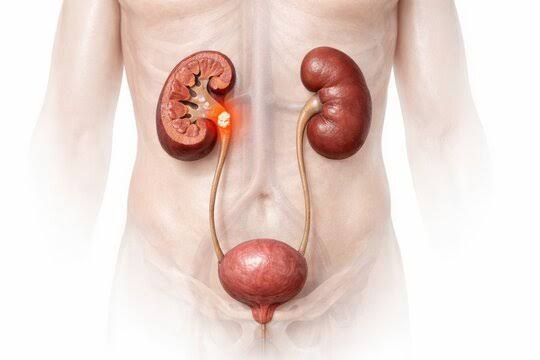
Kidney stones are hard, solid deposits that form inside the kidneys when certain minerals and salts in the urine become concentrated and form crystals. They can vary in size and may remain in the kidney without causing symptoms or move into the urinary tract and cause pain.
Kidney stones can affect people of different ages. Their formation can be associated with factors such as inadequate fluid intake, dietary habits, family history, certain medical conditions, and previous episodes of kidney stones.
What Causes Kidney Stones?
Kidney stones develop when substances present in urine become concentrated and form crystals. Different types of kidney stones can have different causes.
Common factors that may increase the risk of kidney stones include:
- Not drinking enough water or frequent dehydration
- High intake of salt and certain dietary factors
- High levels of certain minerals or substances in the urine
- Family history of kidney stones
- Previous history of kidney stones
- Certain metabolic or medical conditions
- Some urinary tract conditions
- Obesity and certain lifestyle factors
- Some medications and dietary supplements
The exact cause can vary from person to person. A medical evaluation can help identify the type, size, and location of a stone and may help determine factors that contributed to its formation.
Common Symptoms of Kidney Stones
Small kidney stones may sometimes pass without noticeable symptoms. When a stone moves into the urinary tract, symptoms may include:
- Sharp pain in the side or back
- Pain that may spread toward the lower abdomen or groin
- Pain that comes and goes in waves
- Pain or burning sensation while urinating
- Frequent or urgent need to urinate
- Blood in the urine
- Cloudy or unusual-smelling urine
- Nausea or vomiting
- Restlessness due to severe pain
- Fever or chills, particularly when an infection is present
Symptoms can vary depending on the size and location of the stone. A person may have a stone without symptoms, while another person may experience significant pain when the stone obstructs urine flow.
How Can Kidney Stones Be Prevented?
Prevention depends on the type of kidney stone and the individual's health condition. General measures that may help reduce the risk include:
- Drink adequate fluids throughout the day unless fluid restriction has been advised.
- Maintain a balanced diet with appropriate salt intake.
- Avoid excessive intake of foods or supplements that may contribute to stone formation.
- Maintain a healthy body weight and regular physical activity.
- Follow dietary advice based on the type of stone when recommended by a healthcare professional.
- Attend follow-up evaluations if you have a history of recurrent kidney stones.
People who repeatedly develop kidney stones may benefit from testing and dietary guidance to identify factors that increase their individual risk.
Homeopathic Care for Kidney Stones
In homeopathy, the approach is generally individualized according to the person's symptoms, overall health, and specific pattern of complaints.
During a consultation, the homeopathic practitioner may consider details such as the nature and location of pain, urinary symptoms, associated complaints, general health, lifestyle, and other individual characteristics.
However, kidney stones can sometimes cause urinary obstruction, infection, or other complications. Therefore, appropriate medical evaluation and investigations such as urine tests or imaging may be important, particularly when symptoms are severe or persistent.
Homeopathic care should not be used as a substitute for urgent medical treatment when a kidney stone causes severe obstruction, infection, significant bleeding, or other complications.
When Should You Consult a Doctor?
You should seek medical evaluation if you experience persistent or severe pain, blood in the urine, difficulty passing urine, repeated urinary symptoms, or suspected kidney stones.
Seek urgent medical attention if kidney-stone symptoms are accompanied by fever, chills, persistent vomiting, severe pain, inability to urinate, or signs of infection. These symptoms may indicate a complication requiring prompt treatment.
Conclusion
Kidney stones are common urinary-system problems that can range from small stones causing no symptoms to stones that cause severe pain or urinary obstruction.
Maintaining adequate hydration, following appropriate dietary habits, and understanding individual risk factors can help reduce the chances of recurrence. If symptoms occur, proper evaluation can help determine the size, location, and type of stone and guide appropriate care.
If you are experiencing symptoms suggestive of kidney stones, consult a qualified healthcare professional for appropriate evaluation and individualized guidance.