Irritable Bowel Syndrome: Causes, Symptoms & Homeopathic Care
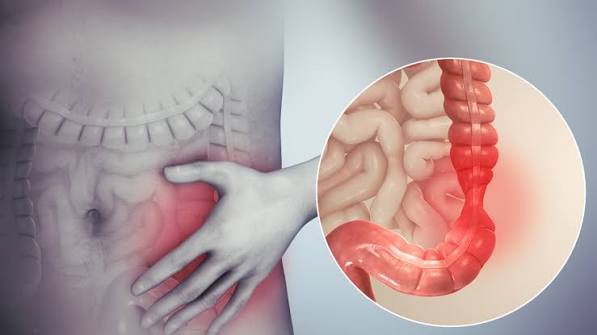
Irritable bowel syndrome, commonly known as IBS, is a common condition that affects the digestive system. It can cause abdominal pain or discomfort along with changes in bowel habits, such as diarrhoea, constipation, or alternating between both.
IBS can affect people of different ages and may have symptoms that come and go over time. The severity and pattern of symptoms can vary from person to person and may sometimes affect daily activities, work, sleep, or quality of life.
What Is Irritable Bowel Syndrome?
Irritable bowel syndrome is a functional gastrointestinal disorder in which a person experiences recurring abdominal symptoms together with changes in bowel habits, without an identifiable structural abnormality explaining all of the symptoms.
IBS is often associated with changes in how the digestive system interacts with the nervous system. Increased sensitivity of the intestines, changes in bowel movement, gut-brain interactions, previous infections, diet, and stress may contribute to symptoms.
IBS does not mean that the intestine is permanently damaged. However, persistent or new digestive symptoms should be properly evaluated because other gastrointestinal conditions can sometimes cause similar symptoms.
What Causes or Triggers IBS?
The exact cause of irritable bowel syndrome is not completely understood. Several factors may contribute to the development or worsening of symptoms.
Common factors associated with IBS symptoms may include:
- Changes in the movement of the digestive tract
- Increased sensitivity of the intestines
- Changes in the gut-brain interaction
- Previous gastrointestinal infections
- Changes in the gut microbiome
- Food intolerance or sensitivity in some individuals
- Stress, anxiety, or emotional factors
- Irregular eating patterns
- Lack of adequate physical activity
- Some medicines or dietary factors
Triggers can vary considerably from one person to another. Keeping track of foods, symptoms, bowel habits, sleep, and stress may help identify individual patterns.
Common Symptoms of Irritable Bowel Syndrome
IBS symptoms can vary in type and severity. Common symptoms may include:
- Abdominal pain or cramping
- Bloating or a feeling of fullness
- Diarrhoea
- Constipation
- Alternating diarrhoea and constipation
- Changes in the appearance or frequency of stools
- Increased gas or flatulence
- A feeling of incomplete bowel movement
- Urgency to pass stools
- Mucus in the stool in some individuals
Some people may notice that symptoms become worse after eating, during periods of stress, or after consuming particular foods. Symptoms may also improve temporarily after passing stool.
Common Types of IBS
IBS may be classified according to the predominant bowel pattern. The main types include:
- IBS with Constipation (IBS-C): Constipation is the predominant bowel pattern, with hard or difficult-to-pass stools occurring frequently.
- IBS with Diarrhoea (IBS-D): Loose or watery stools and increased bowel frequency are the predominant symptoms.
- IBS with Mixed Bowel Habits (IBS-M): Both constipation and diarrhoea occur at different times.
- Unclassified IBS: Symptoms do not consistently fit into the other bowel-pattern categories.
The pattern of symptoms can change over time, and a healthcare professional can help determine the most appropriate evaluation and management approach.
How Can IBS Be Managed and Prevented?
There is no single diet or lifestyle approach that works for everyone with IBS. Management is generally based on the person's symptoms, triggers, nutritional needs, and overall health.
- Eat regular meals and avoid frequently skipping meals.
- Drink adequate fluids throughout the day.
- Identify foods that consistently trigger symptoms.
- Increase dietary fibre gradually when appropriate.
- Consider professional dietary guidance for persistent symptoms.
- Limit excessive caffeine, alcohol, or highly processed foods if they worsen symptoms.
- Maintain regular physical activity.
- Maintain a consistent sleep routine.
- Use stress-management techniques such as relaxation, breathing exercises, or mindfulness.
- Follow medical advice if symptoms require medication or further investigation.
Some people with IBS may benefit from a structured dietary approach such as a low-FODMAP diet. This should ideally be undertaken with guidance from a qualified healthcare professional or dietitian because unnecessarily restricting many foods can lead to nutritional problems.
Homeopathic Care for Irritable Bowel Syndrome
In homeopathy, the approach is generally individualized according to the person's symptoms, overall health, and specific pattern of complaints.
During a consultation, a homeopathic practitioner may consider details such as the nature and location of abdominal discomfort, bowel frequency and consistency, bloating, food-related symptoms, factors that improve or worsen complaints, sleep, stress, lifestyle, and other associated symptoms.
However, digestive symptoms that appear similar to IBS can sometimes be caused by other conditions, including inflammatory bowel disease, coeliac disease, gastrointestinal infections, food intolerances, or other medical problems.
There is limited high-quality scientific evidence supporting homeopathy as a treatment that can cure the underlying causes of IBS. Therefore, homeopathic care should not replace appropriate medical evaluation, evidence-based treatment, dietary guidance, or investigations when they are clinically required.
If complementary care is being considered, it is important to discuss this with a qualified healthcare professional so that other causes of persistent digestive symptoms are not overlooked.
When Should You Consult a Doctor?
You should seek medical evaluation if you have persistent or recurring abdominal pain, significant changes in bowel habits, ongoing diarrhoea or constipation, unexplained weight changes, or digestive symptoms that interfere with daily activities.
Medical evaluation is especially important if digestive symptoms are new, severe, progressively worsening, or begin later in life, or if there is a significant family history of gastrointestinal diseases.
Seek prompt medical attention if symptoms are accompanied by blood in the stool, black or tarry stools, persistent vomiting, severe abdominal pain, unexplained weight loss, fever, fainting, or signs of dehydration.
Conclusion
Irritable bowel syndrome is a common digestive condition that can cause abdominal pain, bloating, diarrhoea, constipation, and changes in bowel habits. Symptoms can vary significantly from one person to another.
Understanding personal triggers, maintaining regular eating and sleeping habits, staying physically active, drinking adequate fluids, and managing stress can help many people manage IBS symptoms.
If you are experiencing persistent or unexplained digestive symptoms, consult a qualified healthcare professional for appropriate evaluation, diagnosis, and individualized guidance.