Hyperacidity: Causes, Symptoms & Homeopathic Care
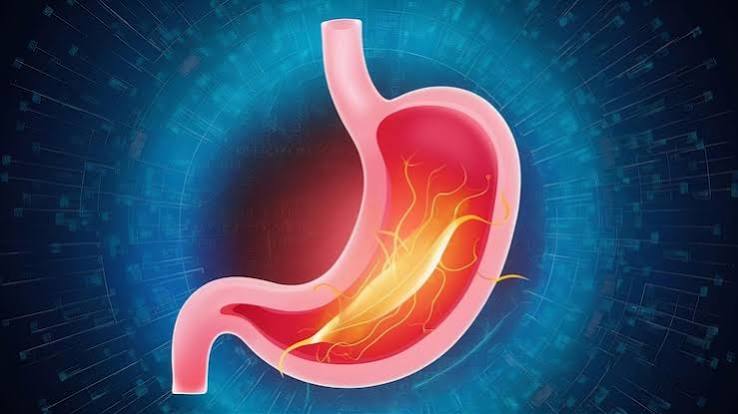
Hyperacidity, also known as acid reflux or acid dyspepsia, is a common condition where excess stomach acid flows back into the esophagus, causing a burning sensation in the chest (heartburn) and other uncomfortable symptoms.
It occurs when the lower esophageal sphincter (LES)—a ring of muscle between the esophagus and stomach—doesn't close properly or opens too often, allowing stomach acid to move upward. While occasional heartburn is common, frequent episodes may indicate a more chronic condition.
What Causes Hyperacidity?
Several factors can contribute to excess acid production or acid reflux. Common causes and triggers include:
- Large meals or lying down immediately after eating
- Spicy, fried, or fatty foods
- Citrus fruits, tomatoes, and other acidic foods
- Caffeine, alcohol, and carbonated beverages
- Chocolate and mint (can relax the LES)
- Being overweight or obese
- Pregnancy (hormonal changes and pressure on stomach)
- Smoking (weakens the LES)
- Certain medications (NSAIDs, aspirin, some antibiotics)
- Stress and anxiety
- Hiatal hernia
- Eating too quickly or not chewing properly
Identifying and avoiding personal triggers is key to managing hyperacidity effectively.
Common Symptoms of Hyperacidity
The signs and symptoms of hyperacidity can vary in intensity:
- Burning sensation in the chest (heartburn), often after eating
- Burning sensation in the throat with sour or bitter taste
- Regurgitation of food or sour liquid
- Difficulty swallowing (dysphagia)
- Sensation of a lump in the throat
- Chronic cough or hoarseness
- Bloating and excessive burping
- Nausea, especially after meals
- Bad breath
- Worsening symptoms when lying down or bending over
Symptoms often worsen at night or after large meals. If heartburn occurs more than twice a week, it may indicate GERD (Gastroesophageal Reflux Disease) and should be evaluated.
Homeopathic Care for Hyperacidity
In homeopathy, treatment is individualized based on the specific symptom pattern, triggers, dietary habits, emotional state, and the person's overall constitution.
During a consultation, the homeopath considers the character of burning pain, relationship to meals, what relieves or aggravates symptoms, accompanying symptoms, and individual factors when selecting a suitable approach to care.
Along with appropriate care, lifestyle and dietary modifications are essential: eating smaller, more frequent meals; avoiding trigger foods; not lying down for 2-3 hours after eating; elevating the head of the bed; maintaining healthy weight; quitting smoking; and managing stress. Homeopathic remedies aim to regulate acid production, strengthen the LES function, and address the underlying susceptibility without side effects or dependency on antacids.
When Should You Consult a Doctor?
Consult a healthcare professional if symptoms persist despite lifestyle changes, if you experience difficulty swallowing, unintentional weight loss, vomiting blood, black stools, or chest pain (which could indicate heart problems).
Seek immediate medical attention for severe chest pain or pressure, especially if accompanied by arm pain, jaw pain, shortness of breath, or sweating—these could be signs of a heart attack.
Conclusion
Hyperacidity is a common and manageable condition. With proper understanding of triggers, dietary modifications, and individualized care, most people experience significant relief from symptoms without long-term reliance on acid-suppressing medications.
If you experience frequent heartburn, acid reflux, or upper abdominal discomfort, a thorough evaluation can help identify the cause and guide you toward suitable, gentle management options that address the root cause.