Gallstones: Causes, Symptoms & Homeopathic Care
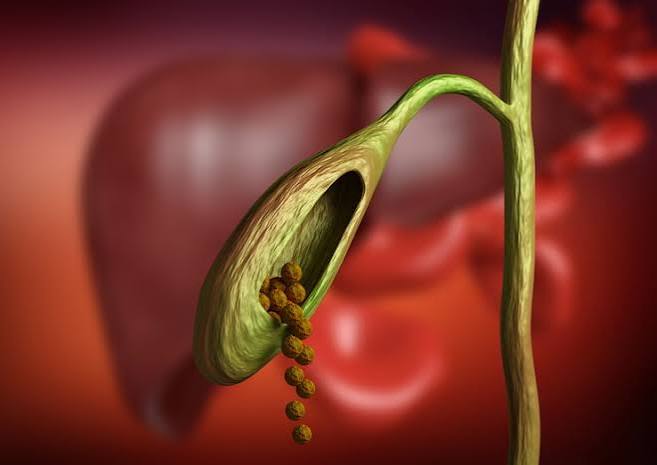
Gallstones are hardened deposits of digestive fluid (bile) that can form in your gallbladder. They range in size from as small as a grain of sand to as large as a golf ball. Some people develop just one gallstone, while others develop many at the same time.
Many people with gallstones have no symptoms and may not need treatment. However, if a gallstone blocks a bile duct, it can cause severe pain and require medical attention.
What Causes Gallstones?
Gallstones form when there's an imbalance in the substances that make up bile. Common causes and risk factors include:
- Excess cholesterol in bile (most common type)
- Excess bilirubin in bile
- Incomplete gallbladder emptying
- Being overweight or obese
- Rapid weight loss or fasting
- High-fat, high-cholesterol, low-fiber diet
- Diabetes and insulin resistance
- Family history and genetics
- Certain medications (hormone therapy, cholesterol-lowering drugs)
- Age (over 40) and female gender
The exact cause varies. Understanding your risk factors can help with prevention and early detection.
Common Symptoms of Gallstones
Many gallstones cause no symptoms (silent stones). When symptoms occur, they typically include:
- Sudden, rapidly intensifying pain in upper right abdomen
- Pain in the center of the abdomen, just below breastbone
- Back pain between shoulder blades
- Pain in the right shoulder
- Nausea or vomiting
- Indigestion, bloating, and gas
- Intolerance to fatty foods
- Fever and chills (if infection is present)
A gallbladder attack may last from 15 minutes to several hours. If pain is accompanied by fever, yellowing of skin/eyes, or severe pain that doesn't improve, seek immediate medical care.
Homeopathic Care for Gallstones
In homeopathy, treatment is individualized based on the person's specific symptoms, gallstone characteristics, and overall constitution.
During a consultation, the homeopath considers the pattern of pain, digestive symptoms, emotional state, and other individual factors when selecting a suitable approach to care.
Along with appropriate care, dietary modifications can help manage symptoms: reducing fat intake, increasing fiber, maintaining a healthy weight, and staying hydrated. Homeopathic remedies aim to support the body's natural processes and reduce the tendency for stone formation without invasive procedures in suitable cases.
When Should You Consult a Doctor?
If you experience severe abdominal pain that doesn't go away, fever with chills, yellowing of skin or eyes (jaundice), or clay-colored stools, consult a healthcare professional immediately.
Seek emergency care if you have severe abdominal pain that prevents you from sitting still or finding a comfortable position.
Conclusion
Gallstones are common and often asymptomatic. When they cause symptoms, timely evaluation and appropriate management can prevent complications. Many people find relief with conservative approaches and lifestyle modifications.
If you suspect gallstones or experience recurring upper abdominal pain, especially after fatty meals, a proper evaluation can help determine the best course of action for your situation.