Asthma: Causes, Symptoms & Homeopathic Care
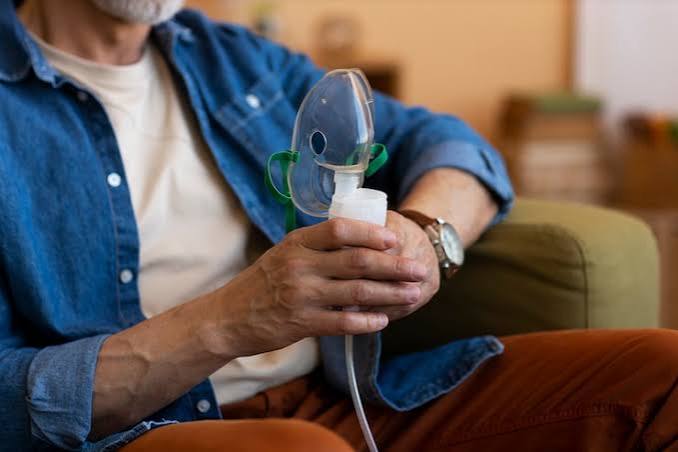
Asthma is a chronic condition that affects the airways of the lungs. In people with asthma, the airways can become inflamed and may narrow temporarily in response to certain triggers, making it harder for air to move in and out of the lungs.
Asthma can affect children as well as adults. Symptoms may vary from person to person and can sometimes come and go. Some people experience occasional symptoms, while others may have more frequent or persistent breathing difficulties.
What Is Asthma?
Asthma is a long-term respiratory condition involving inflammation and increased sensitivity of the airways. During an asthma episode, the muscles around the airways may tighten, the airway lining may become swollen, and mucus production may increase.
These changes can temporarily reduce the flow of air and may cause symptoms such as wheezing, coughing, chest tightness, and shortness of breath.
The severity and pattern of asthma can vary considerably. Some people mainly experience symptoms during exercise or exposure to particular triggers, while others may have symptoms more regularly.
What Causes or Triggers Asthma?
The exact reason why some people develop asthma is not completely understood. Genetic factors, environmental exposure, allergies, and other factors may contribute to increased airway sensitivity.
Common triggers that may cause or worsen asthma symptoms include:
- Dust and dust mites
- Pollen from plants and trees
- Pet dander
- Smoke and tobacco exposure
- Air pollution
- Strong perfumes, sprays, or chemical fumes
- Cold or sudden changes in weather
- Respiratory infections such as colds or viral infections
- Physical exercise in some individuals
- Stress and strong emotions in some people
- Certain medicines in susceptible individuals
Asthma triggers can differ from one person to another. Identifying individual triggers can help reduce exposure and improve asthma management.
Common Symptoms of Asthma
Asthma symptoms can range from mild to severe and may occur intermittently or persist for longer periods.
Common symptoms may include:
- Shortness of breath
- Wheezing or a whistling sound while breathing
- Chest tightness or discomfort
- Persistent or recurring cough
- Cough that may be worse at night or early in the morning
- Breathing difficulty during or after exercise
- Difficulty sleeping because of coughing or breathing problems
- Fatigue related to disturbed sleep or breathing difficulties
Symptoms may become worse during an asthma flare-up. The pattern of symptoms can help a healthcare professional assess asthma and determine an appropriate management plan.
Common Patterns and Types of Asthma
Asthma can present in different ways depending on the individual's triggers, age, associated conditions, and pattern of symptoms.
- Allergic Asthma: Symptoms may be associated with allergens such as pollen, dust mites, or animal dander.
- Exercise-Induced Symptoms: Some people experience asthma symptoms during or after physical activity.
- Occupational Asthma: Asthma symptoms may develop or worsen due to exposure to certain substances in the workplace.
- Childhood Asthma: Asthma may begin during childhood and can have different patterns as a child grows.
- Adult-Onset Asthma: Asthma can also develop for the first time during adulthood.
Asthma may also occur together with conditions such as allergic rhinitis or eczema. A healthcare professional can help determine the appropriate diagnosis and management.
How Can Asthma Be Managed and Prevented?
Asthma cannot always be prevented, but identifying triggers and following an appropriate management plan can help reduce symptoms and asthma attacks.
- Identify and avoid known asthma triggers whenever possible.
- Avoid smoking and exposure to tobacco smoke.
- Reduce exposure to dust, strong fragrances, and irritating fumes.
- Maintain a clean and well-ventilated living environment.
- Follow an appropriate treatment plan recommended by a healthcare professional.
- Use prescribed inhalers correctly and as directed.
- Maintain regular physical activity appropriate for your condition.
- Take appropriate precautions during cold weather or high-pollution periods.
- Manage associated allergic conditions when advised by a healthcare professional.
- Attend regular follow-up appointments when recommended.
People with asthma may benefit from having an individualized asthma action plan that explains how to manage symptoms and what to do if breathing problems become worse.
Homeopathic Care for Asthma
In homeopathy, the approach is generally individualized according to the person's symptoms, overall health, and specific pattern of complaints.
During a consultation, a homeopathic practitioner may consider details such as the nature and timing of breathing difficulties, cough, wheezing, factors that worsen or improve symptoms, possible triggers, sleep pattern, associated complaints, lifestyle, and overall health.
If complementary care is being considered, it is important to discuss this with the treating healthcare professional so that necessary asthma treatment is not delayed or stopped.
When Should You Consult a Doctor?
You should seek medical evaluation if you have repeated episodes of coughing, wheezing, chest tightness, shortness of breath, or breathing difficulty, particularly if these symptoms interfere with sleep, exercise, work, or daily activities.
Medical evaluation is also important when respiratory symptoms repeatedly occur after exposure to dust, pollen, smoke, chemicals, exercise, cold air, or other possible triggers.
Seek emergency medical attention if breathing becomes severely difficult, symptoms rapidly worsen, speaking becomes difficult because of breathlessness, the lips or face appear bluish, or prescribed reliever treatment is not providing the expected relief.
Conclusion
Asthma is a chronic condition affecting the airways and may cause symptoms such as wheezing, coughing, chest tightness, and shortness of breath. Symptoms and triggers can vary considerably between individuals.
Identifying personal triggers, avoiding smoke and other irritants, maintaining an appropriate lifestyle, using prescribed medicines correctly, and attending regular follow-up appointments can help with asthma management.
If you are experiencing symptoms suggestive of asthma, consult a qualified healthcare professional for appropriate evaluation, diagnosis, and individualized guidance.