Arthritis: Causes, Symptoms & Homeopathic Care
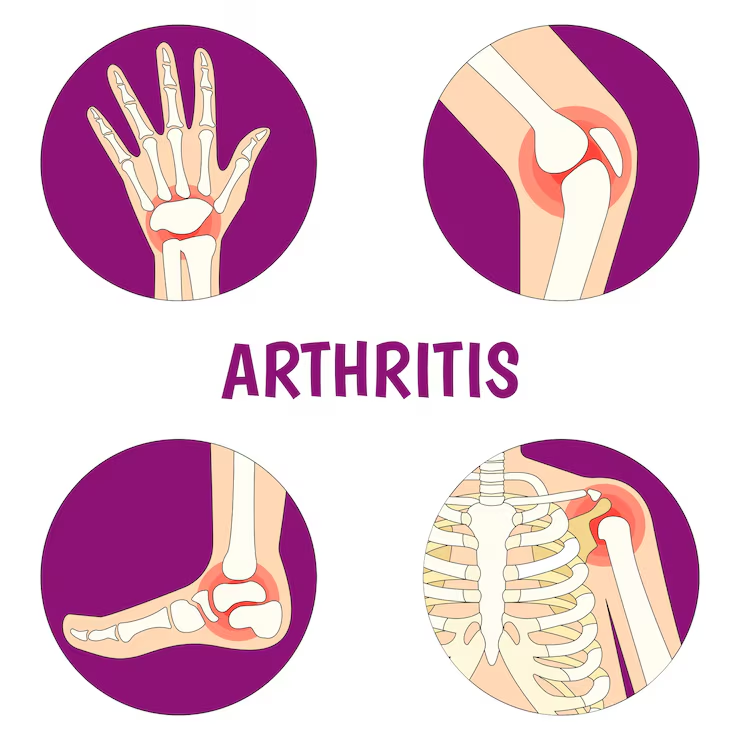
Arthritis is a general term used to describe conditions that affect the joints and surrounding tissues. It can occur in people of different ages and may affect one or several joints. Depending on the type of arthritis, symptoms and their severity can vary considerably.
Common forms of arthritis include osteoarthritis, rheumatoid arthritis, gout, and other inflammatory or autoimmune joint conditions. Arthritis may cause joint pain, stiffness, swelling, reduced movement, and difficulty performing everyday activities.
What Causes Arthritis?
The causes of arthritis depend on the specific type of arthritis. Some forms are associated with gradual changes in the joint, while others may result from inflammation, autoimmune processes, metabolic factors, infections, or previous injuries.
Factors that may contribute to the development or worsening of certain types of arthritis include:
- Increasing age and age-related joint changes
- Previous joint injuries
- Repeated stress or excessive strain on the joints
- Family history of certain forms of arthritis
- Excess body weight, which can increase stress on weight-bearing joints
- Autoimmune or inflammatory conditions
- Metabolic conditions such as gout
- Certain infections or other medical conditions
- Limited physical activity and certain lifestyle factors
Because arthritis has many different forms, identifying the specific type is important for appropriate management. A healthcare professional may use medical history, physical examination, blood tests, imaging, or other investigations when necessary.
Common Symptoms of Arthritis
Arthritis symptoms can vary depending on the type of condition, the joints involved, and the severity of inflammation or structural changes.
Common symptoms may include:
- Joint pain
- Joint stiffness, particularly after periods of inactivity
- Swelling around the affected joint
- Tenderness or discomfort when touching the joint
- Reduced range of movement
- Difficulty walking or performing certain movements
- Warmth or redness around an inflamed joint
- Joint clicking, grinding, or other unusual sensations in some conditions
- Fatigue or general weakness in some inflammatory forms of arthritis
- Symptoms affecting multiple joints in certain types of arthritis
Symptoms may develop gradually or appear suddenly. Some forms of arthritis may have periods when symptoms become more active and periods when they are less noticeable.
Common Types of Arthritis
Arthritis is not a single disease. Different types can have different causes and require different approaches to management.
- Osteoarthritis: A degenerative joint condition that commonly affects the knees, hips, hands, and spine.
- Rheumatoid Arthritis: An autoimmune inflammatory condition that can affect multiple joints and may also affect other parts of the body.
- Gout: A form of inflammatory arthritis associated with excess uric acid and the formation of urate crystals in joints.
- Other Inflammatory Arthritis: Several other conditions can cause joint inflammation, including psoriatic arthritis and other inflammatory rheumatic diseases.
Correct identification of the type of arthritis can help guide appropriate treatment and follow-up.
How Can Arthritis Be Managed and Prevented?
Not all forms of arthritis can be prevented. However, healthy lifestyle habits and appropriate management of underlying conditions may help protect joint function and reduce the impact of symptoms.
- Maintain a healthy body weight to reduce stress on weight-bearing joints.
- Stay physically active with exercises appropriate for your condition.
- Include activities that support flexibility, strength, and joint mobility.
- Avoid prolonged inactivity whenever possible.
- Use proper techniques during lifting and other physically demanding activities.
- Protect joints from repeated excessive strain or injury.
- Follow a balanced and nutritious diet.
- Follow medical advice for conditions such as gout or inflammatory arthritis.
- Attend regular follow-up appointments when recommended.
People with persistent joint symptoms may benefit from professional assessment and a personalized exercise, physiotherapy, lifestyle, or medical management plan.
Homeopathic Care for Arthritis
In homeopathy, the approach is generally individualized according to the person's symptoms, overall health, and specific pattern of complaints.
During a consultation, the homeopathic practitioner may consider details such as the location and nature of joint pain, stiffness, swelling, factors that worsen or relieve symptoms, associated complaints, lifestyle, and other individual characteristics.
Homeopathic care may be considered as an individualized approach to symptom management. However, there is limited high-quality scientific evidence that homeopathy can treat the underlying causes of arthritis or reverse structural joint damage.
Appropriate medical evaluation is important because different types of arthritis require different forms of management. Depending on the condition, a healthcare professional may recommend medicines, physiotherapy, exercise, lifestyle modifications, investigations, or other appropriate treatment.
Homeopathic care should not be used as a substitute for necessary medical treatment, particularly in inflammatory arthritis or when symptoms are severe, rapidly worsening, or associated with other concerning symptoms.
When Should You Consult a Doctor?
You should seek medical evaluation if you experience persistent joint pain, repeated swelling, prolonged stiffness, reduced joint movement, or difficulty performing normal daily activities.
Medical evaluation is particularly important when several joints are affected, symptoms continue to worsen, or joint symptoms are associated with fever, unexplained weight loss, significant fatigue, skin changes, or other systemic symptoms.
Seek prompt medical attention if a joint suddenly becomes extremely painful, swollen, hot, or red, particularly when accompanied by fever or feeling significantly unwell.
Conclusion
Arthritis is a broad term covering several conditions that can affect the joints. Symptoms may include pain, stiffness, swelling, tenderness, and reduced movement, but the underlying causes can differ significantly between individuals.
Maintaining a healthy body weight, staying appropriately active, protecting the joints from excessive strain, and managing underlying health conditions can support overall joint health. Early evaluation of persistent symptoms can also help identify the type of arthritis and guide appropriate care.
If you are experiencing symptoms suggestive of arthritis, consult a qualified healthcare professional for appropriate evaluation and individualized guidance.